

ABOUT OUR BODYWORK APPROACH
What starts as stress, injury, compensation patterns, or chronic poor posture eventually gets written into your fascia (the uninterrupted web of connective tissue that interweaves and connects everything in your body). By the time something "feels tight," your nervous system has usually been holding that pattern long before your fascia solidifies it.
This is why what we do is as much nervous system therapy as it is muscular and fascial work.
This is also why we work slowly. A body already in resistance will never accept forced change. Instead, I work with the intelligence already in your system — using slow, targeted, and deeply intentional touch with hands, fingers, or elbows. The research on fascia shows that sustained, slow pressure — rather than aggressive or quick manipulation — is what actually creates lasting structural change. Your fascia needs time to respond; this is the core of my approach.
Pressure is always tailored to you. I’ve done three-hour sessions on Brazilian jiu-jitsu athletes, and I can also work with the kind of light, careful precision a post-surgical client needs. The range is wide. My job is to meet you where you’re at.
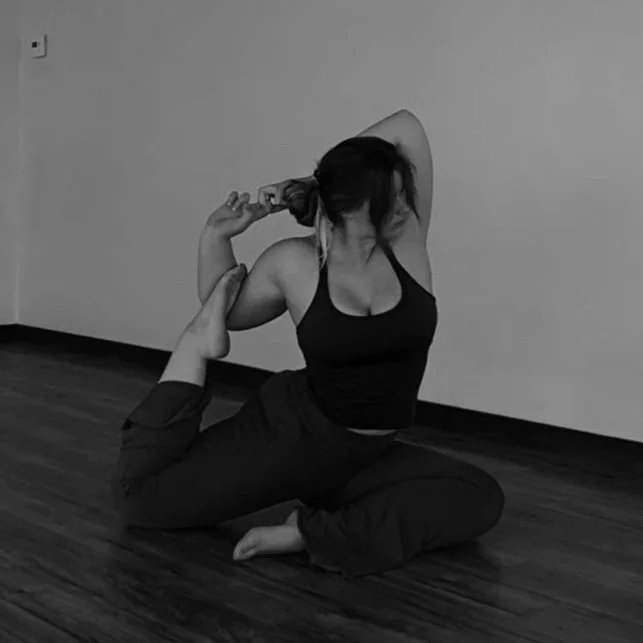
ABOUT TAYLOR
After a spinal injury, I went looking for what actually creates real healing. At the time, I was moving through one of the hardest seasons of my life, struggling in school, caught in a relationship that was taking a toll on my mental health, and living in a body that didn’t feel safe or supported. Pain medication and PT exercises weren’t enough. Once I graduated and had the space to take healing into my own hands, I immersed myself in the mind-body connection, committed deeply to my yoga practice, and began studying the systems that shape pain, tension, and recovery. The work of Tom Myers, Cyndi Dale, Neven Paar, and Dr. Bessel van der Kolk all helped expand the way I understood the body, not as a collection of isolated muscles, but as an interconnected system shaped by fascia, the nervous system, stress, injury, and lived experience.
That search became the foundation of Integrative Release. My work is rooted in three core truths: (1) no two bodies are the same, which means real healing requires a tailored approach; (2) pain and tension are often held in the nervous system long before they show up as structural patterns in the body; (3) and a body already in resistance will never accept forced change. That’s why my approach is slow, highly specific, and built around working with the intelligence already present in your system. Rather than chasing symptoms or forcing release, I focus on the deeper patterns underneath tension, the fascial restrictions, compensations, and protective responses that shape the way your body moves and feels.
Integrative Release’s goal is to raise the standard for manual therapy. I believe bodywork can be more intentional, more individualized, and more transformative than the one-size-fits-all model so many people have come to expect. My goal is to offer work that helps people feel not only relief, but a deeper sense of connection, freedom, and trust in their own body. This is bodywork that respects complexity, listens closely, and meets the body where it is.
INSTAGRAMNEWSLETTER